






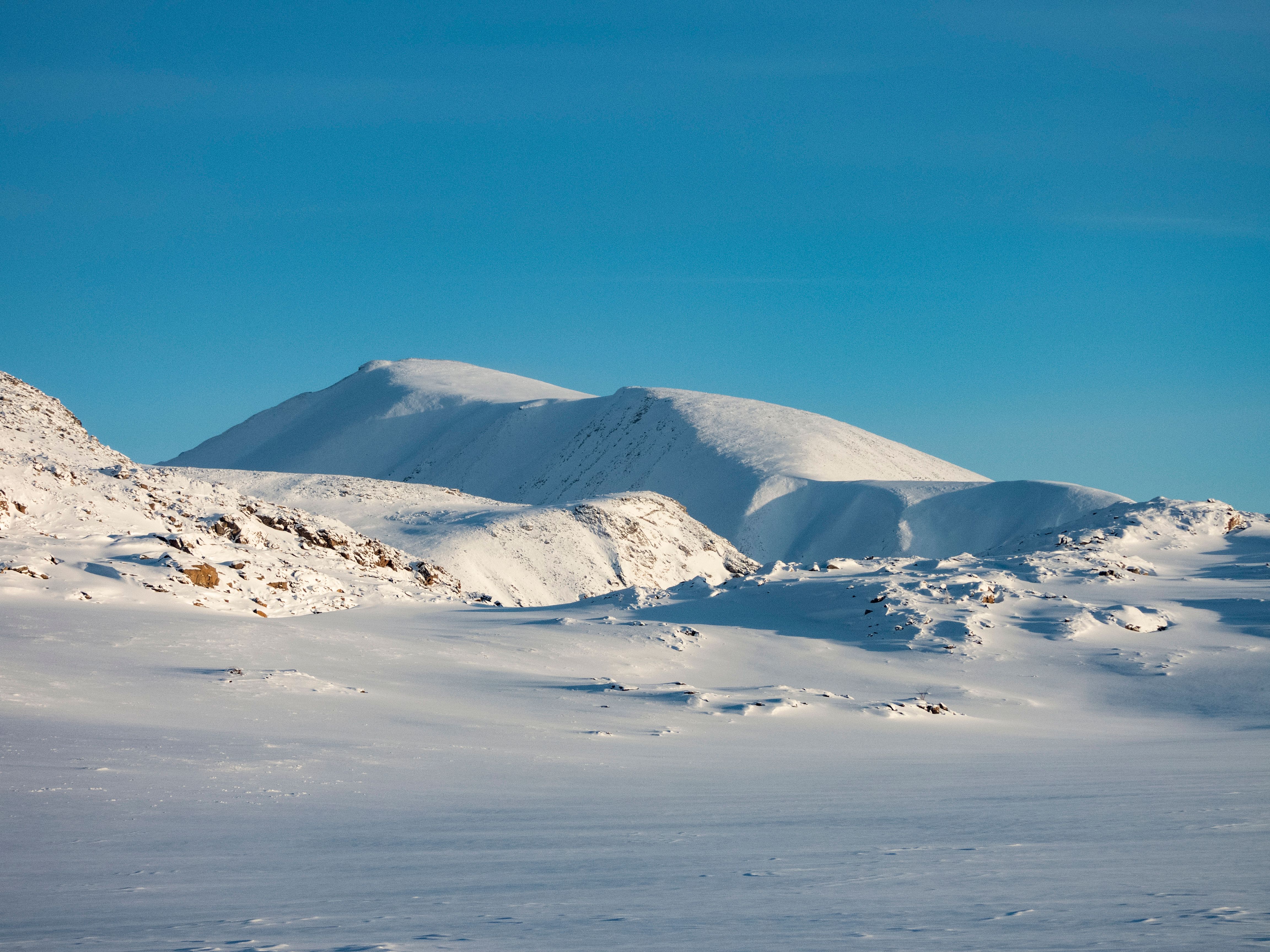
The U.S. is on a path to unlock Alaska’s resource potential, but at what cost? The Trump administration is implementing its plans to open up a record amount of the Arctic to oil and natural gas drilling. However, while oil companies will be satisfied with their deeper pockets, the diverse wildlife, complex ecosystems, and local Indigenous communities will bear the brunt of these ventures.
The National Petroleum Reserve in Alaska was originally designated in 1923 as an emergency oil supply for the U.S. Navy. Over time, shifting political priorities have led to changes in how the land is managed, with varying levels of protection and access for energy development. In recent decades, many administrations have imposed strict regulations on drilling, setting aside ecologically sensitive areas as off-limits. While some portions of the reserve have been leased in the past, development has remained relatively limited. However, recent policy changes, particularly under the “Big Beautiful Bill,” mark a significant shift by opening nearly 82% of the reserve to drilling. The proposal also permits the construction of roads along the coastal plain of the Arctic National Wildlife Refuge, raising concerns about widespread and potentially severe impacts on ecosystem health across the region.
The Arctic National Wildlife Refuge and the National Petroleum Reserve are ecologically rich and highly biodiverse regions, supporting wildlife populations that depend on intact, functioning ecosystems. The area hosts some of the highest densities of breeding shorebirds anywhere on the planet, with an estimated 4.5 million migratory birds nesting in the reserve. Expanding development would disturb these habitats, particularly through increased noise across the landscape. The region is also critically important for caribou, as the open tundra provides essential calving, foraging, migratory, and winter habitat for three of the four herds on Alaska’s North Slope. Industrial infrastructure and activity can disrupt these ecosystems, harming herd health and altering migratory patterns. In addition, fish populations rely on the network of rivers and streams that crisscross the region, while species such as polar bears, wolverines, and moose depend on these intact environments. Although drilling may be confined to specific sites, its ecological impacts extend far beyond those areas, affecting the broader landscape and the species that rely on it.
Previous and current drilling projects have already illustrated potential impacts. Areas like Alaska’s Prudhoe Bay, which has been subject to decades of oil development, have experienced pollution, hundreds of oil spills and leaks, and significant habitat loss. Damage from roads, construction, and gravel mining has further weakened the landscape and exacerbated flooding, shoreline erosion, and permafrost thaw. This serves as another example of how the oil footprint is not confined to isolated regions.
Conservationists are concerned not only about impacts on wildlife and local ecosystems, but also about broader global climate consequences. The Arctic is warming at roughly three times the global average, placing both communities and ecosystems at risk. Expanded drilling in this region could accelerate permafrost thaw, coastal erosion, and sea ice loss.
Tensions surrounding oil and gas development in Arctic Alaska reflect deep divisions both between and within Native communities. Some groups, particularly regional Native corporations, support development for its economic benefits, including job creation, infrastructure, and revenue that supports local services and long-term stability. At the same time, many tribal governments and subsistence-based communities strongly oppose expansion due to its potential impacts on the land and wildlife they depend on. These concerns are especially significant for the Gwich’in people, who consider parts of the region a sacred landscape central to their culture and identity. Industrial activity threatens subsistence practices such as hunting and fishing by disrupting caribou migration patterns, degrading habitat, and introducing noise and infrastructure into previously undisturbed areas. As a result, the conflict is not simply about resource extraction, but about competing visions of land use, cultural preservation, and self-determination.
Despite pushback from environmentalists, the Alaska Bureau of Land Management (BLM), in partnership with the Trump administration, has recently auctioned leases to oil companies. Eleven oil companies submitted bids for around 187 land tracts, which totaled 1.3 million acres of the 5.5 million that was offered in the sale. The auction boasted a record high lease sale, at $163 million, with prominent bidders being ConocoPhillips and Repsol, both companies that are already pursuing drilling projects in the Arctic. Exxon, Shell, North Slope Exploration, and several companies were also noted to participate in the auction, marking the return to Arctic drilling projects for several. The sales include previously protected areas that have been off limits to oil development due to their ecological sensitivity and proximity to Native communities. Industrial activity and drilling practices will unleash harmful impacts in these newly leased areas, as they have never experienced development before and will face impacts on food systems and ecosystems.
The full scale of these ecological and community impacts will unfold in the coming years as development accelerates and drilling expands. That reality makes it all the more important for Americans to stay informed, remain engaged, and actively support efforts to protect the Arctic and its communities.
 Margaret Young – Vanderbilt University
Margaret Young (she/her) is an incoming sophomore at Vanderbilt University, double majoring in Human & Organizational Development and Climate Studies, and minoring in French Studies. She is passionate about environmental justice, advocacy, environmental science, and studying the human-centered aspect of climate science. She enjoys working with Vanderbilt’s SPEAR (Students Promoting Environmental Awareness and Responsibility) Club to get involved in environmentally focused initiatives and sustainability efforts around campus, as well as local river cleanups and weekend hikes.